 The digital landscape faces a new and complex challenge: the rise of generative AI. While these tools offer incredible potential for innovation, they also provide malicious actors with sophisticated ways to deceive even the most vigilant users.
This year, KnowBe4’s Cybersecurity Awareness Month theme takes you into the world of secret agents and cyber sleuths as part of the elite "Workforce Risk Division." It’s a call to action for every employee to transform from a passive user into a proactive frontline defender.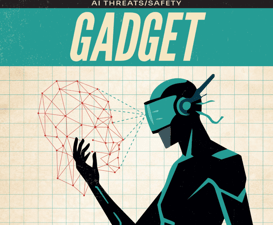
Within this framework, for the second full week of Cybersecurity Awareness Month, you have been assigned to work with Tech Specialist “Gadget." Your mission? Navigate your way through the complex landscape of this week’s topic: AI Safety and Deepfakes.
Understanding AI safety and deepfakes is no longer just for tech specialists; it is a critical skill for every digital citizen. By learning to identify these threats, we can transform from potential targets into proactive defenders of our personal and professional information.
The Seedy Underbelly of Generative AI
The methods used by cybercriminals have evolved. Today, bad actors leverage generative AI to create highly convincing audio and video clones, known as deepfakes, alongside perfectly crafted phishing scripts. These tools are designed to bypass traditional technical filters by mimicking the appearance and voice of trusted colleagues or family members.
In this environment, your most valuable asset is critical thinking. When technical defenses can be mimicked, human intuition and deliberate verification become the ultimate fail-safe against social engineering.
How to Spot an AI-Based Threat
AI-driven scams often rely on psychological triggers rather than technical exploits. To protect yourself and your organization, watch for these common red flags:
- Unexpected Urgency: Be skeptical of any request, whether via text, email or voice, that demands immediate action, especially involving financial transactions or sensitive data.
- Unusual Requests: If a contact asks you to perform a task that falls outside of normal procedures, even if they sound exactly like someone you know, stop and think.
- Subtle Inconsistencies: In video deepfakes, look for unnatural blinking, mismatched lighting or slight distortions around the mouth and eyes.
- Unnatural Audio: Listen for odd phrasing, metallic robotic tones or unusual background silence during voice calls.
Practical Guidelines for Verification
The most effective defense against deepfakes is establishing a "verify-first" culture. First, establish a pre-shared code word (a key tactic straight from Gadget’s playbook). Having a secret phrase known only to your inner circle or team is a powerful way to confirm identity during suspicious calls.
Second, use secondary channels. If you receive an urgent request on one platform, call the person back on a known, trusted number or reach out through a different messaging app to confirm the request is legitimate.
Commit to Stay Safe
The goal of Cybersecurity Awareness Month is to empower everyone with the knowledge to stay safe online. By remaining skeptical of unexpected requests and utilizing multi-channel verification, you can significantly reduce the risk posed by AI-based threats.
Stay vigilant, stay safe and I'll see you in the field. Dive into this week’s AI Safety and Deepfakes in our Cybersecurity Awareness Month kit for more resources!